

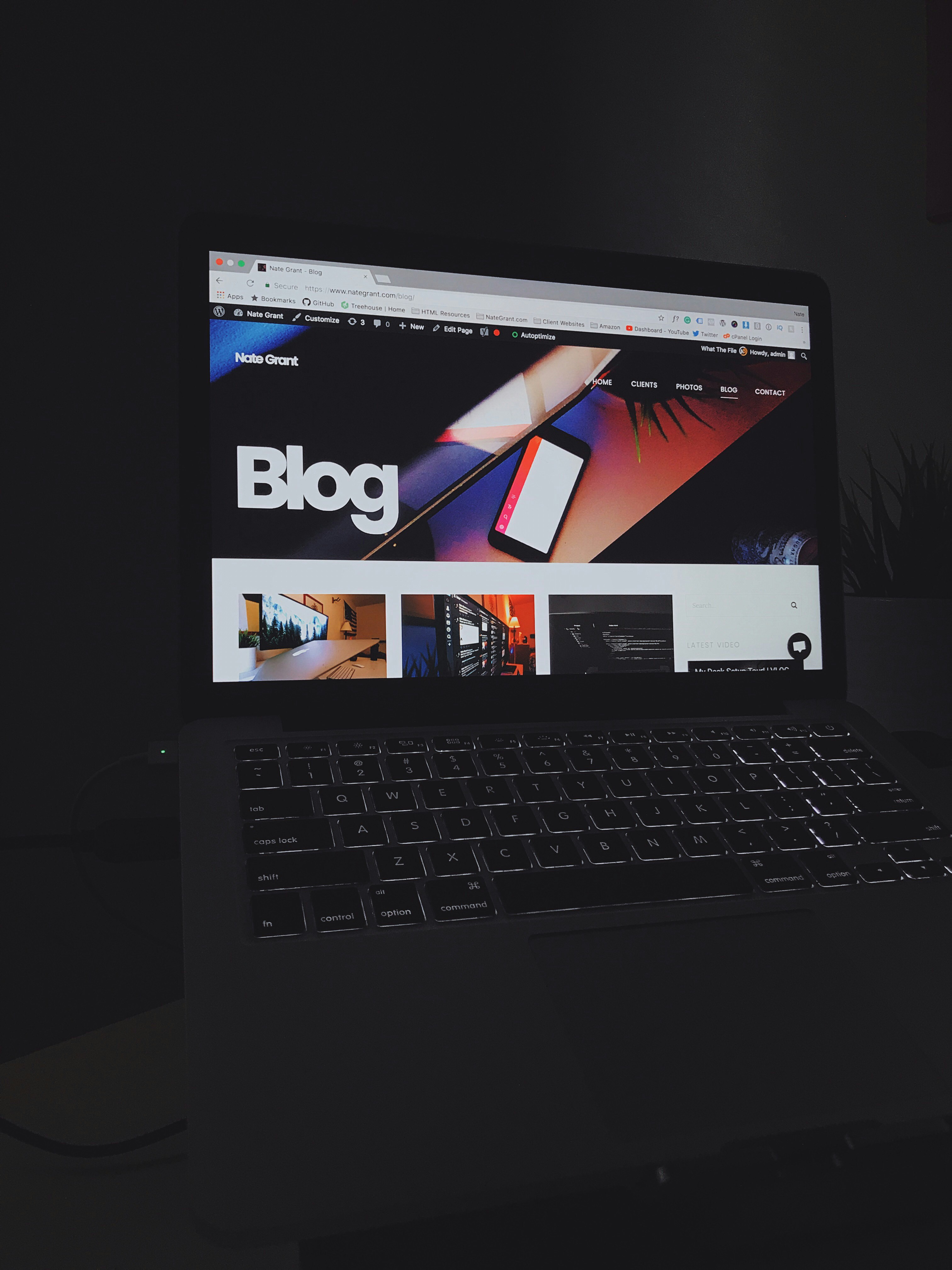
Introduction to Modern Website Design Trends
In the rapidly evolving digital landscape, modern website design trends play a crucial role in establishing an effective online presence. As we move into 2026, businesses must recognize that staying updated with these trends is not merely a matter of aesthetic preference but a strategic necessity. The way a website is designed profoundly influences user experience, which in turn can affect engagement, conversion rates, and overall brand perception.
The evolution of design trends is driven by several factors, including advancements in technology, changes in consumer behavior, and the continual push for enhanced user experiences. For instance, the rise of mobile browsing has necessitated designs that are not only visually appealing but also highly functional across various devices. Furthermore, modern users expect seamless navigation and quick loading times, underscoring the importance of a thoughtful design that prioritizes usability.
As we delve into the specific trends anticipated for 2026, it becomes evident that modern design is increasingly centered around user-centric principles. This shift highlights the necessity for businesses to adopt a design philosophy that focuses on the needs and preferences of their target audience. The integration of intuitive interfaces, personalized content, and interactive elements will be pivotal in capturing user attention and fostering engagement. Consequently, businesses that invest in understanding and implementing these design trends stand to benefit significantly in terms of customer loyalty and competitive advantage.
Understanding modern website design trends is paramount for any business aiming to thrive in today’s digital arena. By adapting to these emerging trends, organizations can not only enhance user experience but also strengthen their market position in the ever-changing digital ecosystem.
Top 10 Latest Design Trends for 2026
As we delve into 2026, the landscape of website design continues to evolve dramatically, influenced by advancements in technology and shifting user expectations. Here, we illuminate ten trends that are redefining modern website aesthetics and functionality.
1. Minimalist Design: The emphasis on simplicity remains strong in 2026. Clean lines, ample white space, and uncomplicated navigation contribute to improved user experience. Websites utilizing this trend focus on delivering content without distraction, ensuring clarity and ease of use.
2. Dark Mode Options: Popular among tech-savvy users, dark mode not only enhances readability but also increases battery efficiency on OLED screens. Designers are now integrating toggle features that allow users to switch seamlessly between light and dark themes.
3. Animated Graphics: The infusion of animated elements captures attention and enhances storytelling. Micro-interactions and scrolling animations guide users through content, making the overall experience more engaging.
4. Inclusive Design Practices: In 2026, embracing accessibility is paramount. Designers prioritize creating sites that cater to individuals with diverse abilities and challenges, ensuring all users can navigate and utilize the website effectively.
5. AI in Design: Artificial intelligence plays a crucial role in personalizing user experiences. From chatbots providing real-time assistance to AI-driven recommendations based on user behavior, technology is enhancing interaction and engagement.
6. Bold Typography: Typography continues to make a statement in design. Large, bold fonts not only enhance visual hierarchies but also reinforce brand identity, ensuring key messages resonate with users.
7. Micro-Interactions: These subtle animations improve user interactivity. Whether it’s a subtle button change or a notification alert, micro-interactions provide immediate feedback to users, enhancing user satisfaction.
8. Geometric Shapes: The use of geometric patterns has re-emerged as a popular design element. These shapes create visual interest and guide users through the content organically, promoting a modern and innovative feel.
9. Voice User Interface (VUI): The integration of voice technology is becoming increasingly prevalent. Websites are being designed with voice navigation in mind, catering to users who prefer speaking over typing.
10. Dynamic Content: Personalization through dynamic content encourages user engagement. Websites adapt based on user preferences and interactions, creating a tailored experience that resonates on a personal level.
These trends highlight the harmonious fusion of aesthetics and functionality that marks the future of web design in 2026. Staying abreast of these developments is crucial for designers striving to create impactful digital experiences.
Examples and Use Cases of Current Trends
As modern website design trends continue to evolve, numerous businesses across various industries are effectively leveraging these trends to enhance user experience and drive their success. For instance, the retail industry has seen a significant shift toward minimalist design paired with bold typography. Companies like Everlane have implemented this design trend to create an immersive shopping experience. Their website features a clean layout that emphasizes product images and straightforward navigation, thus allowing customers to focus on the merchandise without distractions. This approach not only improves user engagement but also contributes to higher conversion rates.
In the technology sector, businesses are adopting interactive design elements such as micro-interactions to keep users engaged. An example can be found in the Slack application, which uses subtle animations to provide feedback on user actions, like sending messages or changing settings. These interactions enhance user satisfaction and foster a sense of responsiveness that encourages ongoing use of the platform. Such design trends in tech websites can lead to increased user retention and loyalty.
In the healthcare industry, telehealth platforms have embraced responsive design that caters to a wide range of devices, allowing patients to access healthcare services seamlessly. Websites like Teladoc exemplify this trend by ensuring their platform is highly usable on smartphones and tablets. This design adaptation not only supports a better user experience but also expands their reach, enabling more patients to access virtual consultations regardless of their device type.
These examples illustrate how various industries are not only adopting modern website design trends but also enhancing their user experience. By focusing on clean aesthetics, interactivity, and responsiveness, businesses can effectively meet user needs while achieving their strategic goals. The successful implementation of these trends demonstrates their crucial role in contemporary web design.
Benefits of Modern Design Trends for Businesses
In today’s digital landscape, adopting modern website design trends offers a multitude of advantages for businesses seeking to enhance their online presence. One of the foremost benefits is the improved brand image that contemporary design can evoke. A well-designed website not only reflects professionalism but also resonates with the target audience, contributing to a positive perception of the brand. This visual appeal can create a lasting impression, which is crucial in attracting and retaining customers.
Furthermore, modern design trends significantly enhance user experience (UX). A website that is intuitively designed allows for easy navigation, ensuring that visitors can find the information they need without frustration. By prioritizing user experience, businesses can foster engagement, reduce bounce rates, and ultimately encourage more meaningful interactions. This increase in user satisfaction often translates into higher conversion rates, as a seamless experience can lead potential customers closer to making a purchase decision.
Mobile responsiveness is another critical aspect of modern design that cannot be overlooked. With a growing number of consumers accessing websites via smartphones and tablets, having a mobile-friendly site is essential. A responsive design adapts to various screen sizes, ensuring that all users enjoy an optimal experience regardless of the device they use. This accessibility contributes significantly to customer satisfaction, as users are more likely to stay on a website that functions well on their preferred device.
Moreover, incorporating accessibility features in modern design can broaden the audience reach, allowing businesses to cater to users with diverse needs. By embracing these modern design trends, businesses not only enhance their online reputation but also create an inclusive experience that fosters customer loyalty.