

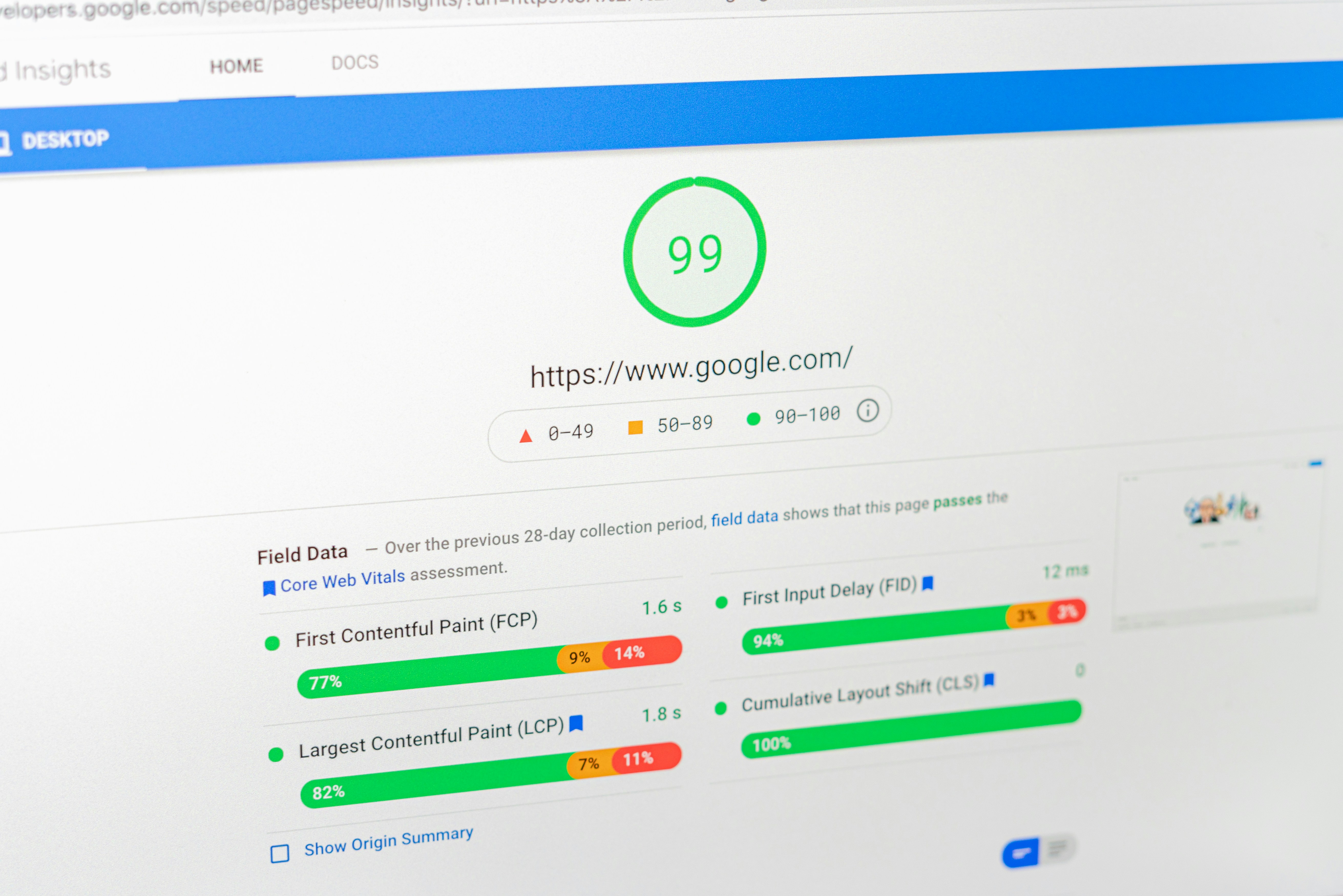
The Importance of Speed in Digital Transactions
In the contemporary digital landscape, the speed of a website plays a pivotal role in shaping consumers’ perceptions and behaviors. Research indicates that users form an opinion about a website within the first few seconds of visiting. Consequently, a fast-loading website is essential for businesses striving to make a lasting first impression. When a website loads quickly, it conveys professionalism and competence, thus fostering an initial sense of trust among users.
The speed of a website also significantly influences user experience and satisfaction. In an environment where consumers have numerous alternatives at their fingertips, a sluggish website can lead to frustration and prompt users to abandon their sessions in favor of faster competitors. This abandonment not only reduces conversion rates but can also damage a brand’s reputation in the long run. Therefore, investing in website speed optimization is not merely a technical consideration, but also a strategic business decision.
Moreover, the psychological effects of website speed extend beyond mere usability. Faster load times can enhance users’ perceptions of reliability and trustworthiness in a brand. Users equate a seamless browsing experience with a company’s credibility, which can significantly impact their willingness to engage with the site during crucial transactions. Consequently, websites that prioritize speed not only meet user expectations but also instill confidence in potential customers, laying the foundation for successful digital interactions.
In summary, the significance of website speed in digital transactions cannot be overstated. It serves as a crucial determinant of user perception, influencing everything from initial impressions to trust and reliability. As online competition intensifies, businesses must recognize the importance of maintaining a website that loads swiftly to optimize conversion rates effectively.
Bounce Rates and User Engagement
Website loading speed plays a critical role in determining bounce rates and user engagement metrics. Research indicates that as little as a one-second delay in page loading can result in a significant increase in bounce rates. In fact, studies have shown that 53% of mobile users abandon a page that takes longer than three seconds to load. This statistic underscores the importance of website performance; a slower site not only frustrates users but also deters them from exploring further.
Moreover, the relationship between loading speed and user engagement is profound. When sites load quickly, users are more likely to spend additional time browsing and engaging with the content, thus reducing overall bounce rates. A fast-loading website enhances user experience, leading to longer session durations, which are vital for boosting the likelihood of conversions. For instance, businesses that improved their loading times reported a dramatic increase in time spent on their sites, resulting in higher engagement levels and ultimately leading to increased conversions.
Several case studies support this correlation. One notable example is the online retail giant Amazon, which found that every 100-millisecond increase in page load time decreased their sales by one percent. This metric illustrates how vital loading speed is for retaining customers and maximizing revenue. Similarly, a study conducted by Google revealed that sites that load within five seconds, as opposed to those loading in ten seconds, have a 70% higher chance of retaining users. Consequently, fast-loading websites not only improve user retention but also enhance the probability of users following through with purchases.
The Financial Impact of Slow Load Times
Website speed plays a critical role in influencing conversion rates and, ultimately, revenues for businesses. Research has shown that even a one-second delay in load time can lead to a 7% reduction in conversions. This means that for eCommerce sites generating $100,000 per day, a mere one-second delay could potentially cost $2.5 million in lost sales annually. As we approach 2026, these figures are expected to escalate, particularly as consumer expectations for fast-loading sites continue to rise.
Aside from potential sales losses, slow load times can affect a business’s reputation and customer satisfaction. A study found that 53% of mobile users would abandon a page that takes longer than three seconds to load. This abandonment not only affects immediate sales but can also have long-term consequences, such as decreased customer loyalty and reduced word-of-mouth referrals. In the age of social media, a reputation for poor performance can spread quickly, deterring prospective customers.
Moreover, as digital marketing evolves, search engines like Google have begun to incorporate site speed into their ranking algorithms. This means that a slow website may not only lose potential customers but may also receive lower visibility in search results, which can further reduce traffic and sales opportunities. Businesses must recognize this interdependence between website performance and overall commercial viability.
To mitigate financial losses due to slow load times, businesses should proactively monitor and analyze their website metrics, focusing on load speeds and conversion rates. Implementing strategies such as optimizing images, leveraging browser caching, and employing Content Delivery Networks (CDNs) can help improve performance. Even incremental improvements in load times can yield measurable increases in conversion rates over time, supporting long-term growth and profitability.
Strategies to Improve Website Speed
To enhance website speed, it is vital to implement several effective strategies that focus on optimizing performance across various aspects of the site. A primary approach involves image compression, which reduces the file size of images without sacrificing quality. This can be achieved by utilizing tools such as TinyPNG or ImageOptim, allowing for faster loading times. By ensuring that images are appropriately sized for the web, one can drastically improve loading speed, which directly impacts user experience and conversion rates.
Another important factor in website speed is the server response time. This can be optimized by selecting a reliable web hosting service, which can significantly reduce latency. Consideration should also be given to using a Content Delivery Network (CDN) to distribute the site’s content more effectively. A CDN caches the site’s resources on multiple servers globally, enabling users to access data from the nearest server, thereby enhancing loading speed.
Minimizing code is equally crucial; hence, developers should aim to streamline HTML, CSS, and JavaScript files. This involves removing unnecessary characters, comments, and spaces, leading to a more compact and efficient codebase. Tools like Minify can assist in automating this process, resulting in faster loading times for the end user.
Additionally, leveraging browser caching can further expedite page load times. This technique allows returning visitors to load previously accessed resources from their local devices instead of downloading them again from the server. Implementing proper caching strategies can significantly enhance user experience, as well as boost overall site speed.
By focusing on these strategies—image compression, optimizing server response times, and minimizing code—website owners can create a more responsive web environment that meets the increasing expectations of users in today’s digital market. This not only improves speed but ultimately leads to increased conversions.