

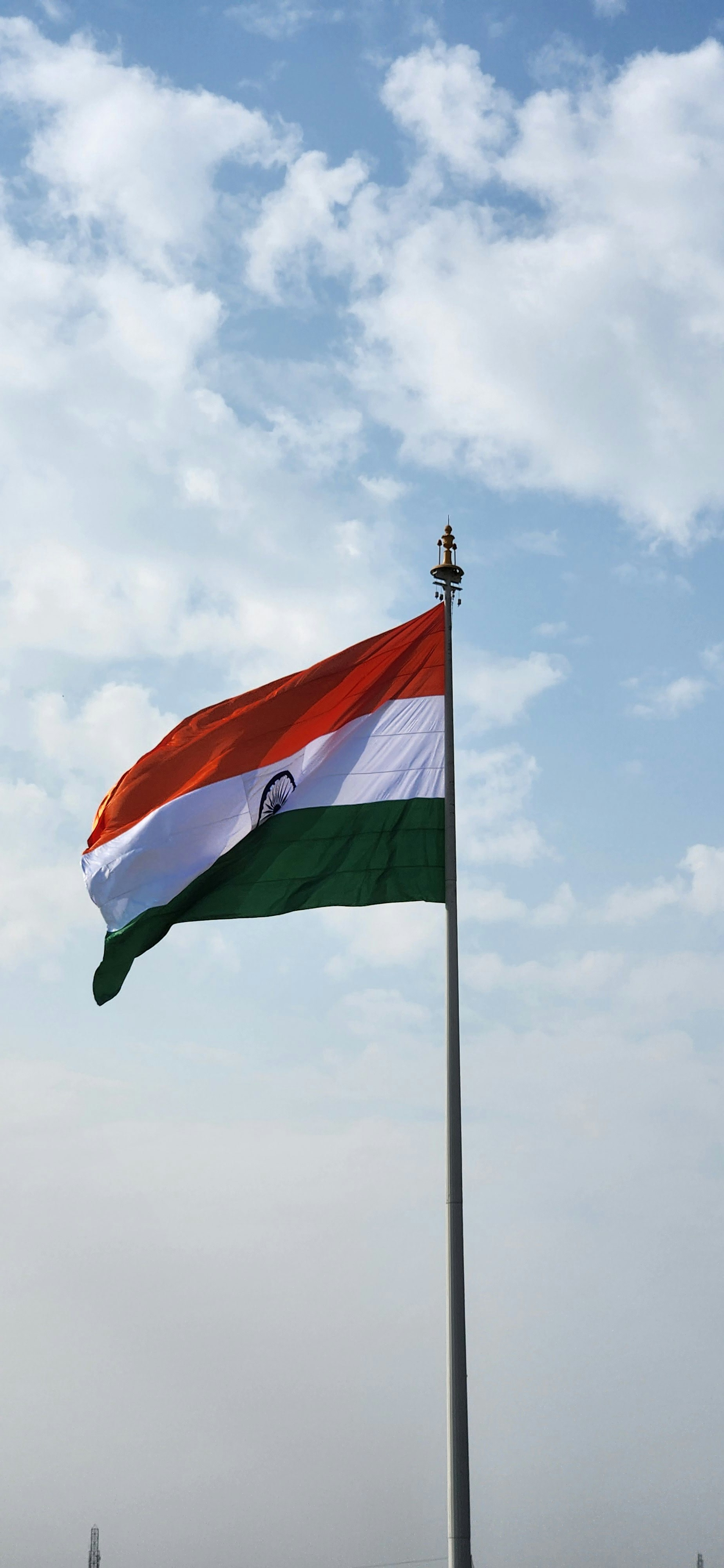
Historical Background of Indian Independence
The historical context leading to Indian independence on 15th August 1947 is marked by a series of pivotal events and movements that shaped the nation’s struggles against British colonial rule. The roots of these struggles can be traced back to the early 19th century, when the impact of British policies began to stir dissent among various sections of Indian society. The First War of Independence, also referred to as the Sepoy Mutiny of 1857, served as an initial large-scale revolt against colonial authority, although it was suppressed with significant bloodshed.
The late 19th and early 20th centuries witnessed the emergence of organized political movements. The formation of the Indian National Congress in 1885 was a crucial turning point. Initially, it sought to collaborate with the British in seeking reforms, but it soon evolved into a central platform for nationalist aspirations. The demand for self-rule gained momentum during the 1900s, largely influenced by a growing sense of national identity and discontent with oppressive policies such as the Rowlatt Act of 1919, which restricted civil liberties.
Mahatma Gandhi emerged as a central figure in the independence movement in the 1920s, advocating for non-violent resistance and civil disobedience as effective strategies against colonial rule. His leadership during significant campaigns such as the Non-Cooperation Movement (1920) and the Salt March (1930) galvanized public opinion and united various factions under a common cause. The subsequent years also saw the involvement of notable leaders such as Jawaharlal Nehru, who articulated the aspirations for a democratic and secular India, and leaders from different regions and communities, contributing to a collective struggle.
As World War II unfolded, the Quit India Movement of 1942 marked a dramatic escalation in the demand for complete independence. Following the war, changing global dynamics and the weakening of British authority necessitated a reassessment of their colonial policies. The negotiations that followed, along with the tireless efforts of freedom fighters, led to the eventual granting of independence in 1947, culminating decades of struggle and sacrifice. Understanding this historical background is essential to appreciate the significance of Indian Independence Day, a momentous occasion that symbolizes the triumph of resilience and determination over oppression.
Significance of 15th August in Modern India
15th August holds a pivotal position in the hearts and minds of Indians as it marks the historic day when India gained independence from British rule in 1947. This date is not merely a celebration of freedom but serves as a reminder of the sacrifices made by countless individuals who fought for the nation’s liberty. Today, Independence Day is commemorated as a national holiday, reflecting the importance of unity and national pride across diverse cultures and communities.
The celebration of Independence Day is characterized by various activities ranging from flag-hoisting ceremonies to cultural programs, showcasing the rich heritage and traditions of India. In the early morning, the Prime Minister addresses the nation from the Red Fort in Delhi, where the national flag is unfurled, symbolizing the triumph of freedom over oppression. This moment is not just a ritual; it represents the enduring spirit of democracy and the collective aspirations of a billion people.
Across the country, schools, colleges, and local organizations organize events that foster a sense of patriotism among the younger generation. Parades, community gatherings, and performances that highlight India’s historical journey and cultural richness take place in every corner of the nation. These festivities aim to instill values of integrity, respect, and admiration for the country, promoting a sense of belonging and responsibility among citizens.
Independence Day also serves as a reminder of the democratic values that underlie India’s governance. The day encourages citizens to reflect on the fundamental principles of liberty, equality, and fraternity enshrined in the Constitution. As Indians celebrate their freedom, they are reminded of the importance of safeguarding these ideals for future generations and fostering an environment of respect and cooperation among diverse communities.
In conclusion, 15th August is a day of immense significance in modern India, embodying the spirit of freedom, unity, and democratic values. It reaffirms the commitment of every Indian to uphold the principles of their nation while celebrating its diverse culture and heritage.
Traditional Celebrations and Observances
Independence Day, celebrated on August 15th, holds great significance across India, showcasing the nation’s unity and diversity through various traditional observances. Flag hoisting ceremonies take place in numerous locations, including government institutions, schools, and local communities. These rituals typically begin early in the morning, where citizens gather to witness the flag being raised, symbolizing the pride and sovereignty of the nation. The national anthem is sung with fervor, igniting a sense of patriotism among the participants.
Moreover, parades play a vital role in the celebrations. Major cities like New Delhi host grand processions that display the rich cultural heritage and military prowess of the country. Colorful floats representing different states, showcasing their unique traditions, contribute to a vibrant atmosphere. Marching contingents from the armed forces exhibit their discipline and commitment, while various cultural performances enrich the celebrations. These parades are not just visual spectacles; they also serve as a reminder of the sacrifices made by freedom fighters who paved the way for independence.
Cultural programs further enhance the celebratory spirit of Independence Day. Schools and community organizations organize events featuring dance, music, and drama that reflect the historical journey of India towards freedom. Through these performances, younger generations are educated about the importance of independence and the values associated with it. Additionally, public speeches and discussions led by community leaders and local officials emphasize the significance of freedom, unity, and the ongoing responsibility of citizens to uphold the ideals of democracy.
In conclusion, the multifaceted observances of Independence Day across India not only celebrate the nation’s freedom but also foster a sense of unity and pride among its citizens. Through flag hoisting, parades, cultural displays, and reflective speeches, the celebrations resonate with the spirit of liberty and honor the legacy of those who fought for the nation’s independence.
Reflection on Progress since Independence
Since gaining independence in 1947, India has embarked on a remarkable journey of socio-economic progress, achieving significant milestones that reflect the resilience and determination of its people. The transition from a colonial state to a democratic nation has allowed for the establishment of various institutions that promote governance, social justice, and economic stability. One of the noteworthy accomplishments has been the reduction of poverty levels, which has dropped from nearly 60% in the early 1980s to around 22% according to recent data. This change underscores not only the effectiveness of government policies but also the collective effort of citizens aiming for a better quality of life.
Further, India has made substantial advancements in various sectors, including education, healthcare, and technology. The establishment of the Right to Education Act in 2009 has provided greater access to schooling, contributing to a rise in literacy rates among the population. In the realm of healthcare, initiatives such as the Mahatma Gandhi National Rural Employment Guarantee Act have aimed to uplift rural livelihoods, thus enhancing overall well-being. Furthermore, India’s burgeoning technology sector has positioned the country as a global player, fostering innovation and entrepreneurship among its youth.
Despite these achievements, the journey remains fraught with challenges that the nation must address. Issues such as income inequality, environmental degradation, and access to quality healthcare for all continue to pose significant hurdles. The ongoing struggle to align rapid economic growth with sustainable development highlights the need for comprehensive policies that consider not just growth, but inclusive progress. As India celebrates its independence, it is essential to recognize not only how far the nation has come but also the dedication required to confront the ongoing challenges. Maintaining the core values of freedom and democracy will be crucial in shaping a more equitable and prosperous future for all citizens.