
Blog
How Google Search Changes Affect Small Businesses


Google changes how its search engine works thousands of times every year. Most of those changes are so small that nobody notices them, but a handful of updates each year can shift rankings dramatically — sometimes overnight. For a small business, that matters because organic search is often the cheapest and most consistent source of new customers: roughly nine out of ten searches worldwide happen on Google, and for many local businesses the search results page is the modern equivalent of a shopfront window. This article explains what Google search changes are, how they affect rankings, traffic and revenue, which types of changes matter most for small businesses, what to do when visibility drops, and how to tell a real algorithm hit from a technical problem. If you run a business that depends on being found online, these are the mechanics worth understanding. Wikipedia: Google Search
NG Network IT (ngnetworksit.com) provides IT and web services and can assist with technical site audits, Search Console setup, and search-friendly fixes for small business websites.
Table of Contents
- What Are Google Search Changes?
- Why Search Changes Matter for Small Businesses
- How Google Ranking Works in Brief
- Types of Changes and Their Impact
- Notable Updates and What They Taught Us
- How Changes Affect Traffic and Revenue
- Signs Your Site Was Hit by an Update
- What to Do After a Ranking Drop
- Common Mistakes to Avoid
- How to Choose SEO or IT Help
- Practical Checklist
- Real-World Example
- Important Facts to Know
- Frequently Asked Questions
- Sources and Further Reading

What Are Google Search Changes?
A “Google search change” is any adjustment to the systems Google uses to crawl, index and rank web pages. Google’s own engineers have described making more than 4,500 changes to Search in a single year (2020), and the pace has continued since. The vast majority are minor relevance tweaks. The changes that concern small businesses fall into a few broad categories:
- Core ranking updates: Broad changes to the main ranking system, usually rolled out over one to two weeks. Google has said it is moving toward more frequent, smaller core updates rather than a few large ones per year.
- Spam updates: Targeted actions against tactics that violate Google’s spam policies, such as scaled content farms, link schemes and expired-domain abuse.
- Content system changes: Adjustments to the “helpful content” signals that reward original, people-first writing and demote content created mainly to rank.
- Feature and interface changes: New results formats — for example AI Overviews, featured snippets, local packs, shopping results and knowledge panels — that change how many people click through to websites.
- Indexing and technical changes: Updates to how Googlebot crawls, how fast new pages are indexed, and how signals like page experience are weighted.
Why Search Changes Matter for Small Businesses
Large brands usually survive a bad week in the rankings. A small business often cannot. When a local plumber, clinic, café or repair shop drops from the first page to the third, the effect is immediate: fewer calls, fewer bookings and less foot traffic. At the same time, search is uniquely valuable for small firms because it captures demand at the moment a customer is actively looking — a person searching “emergency electrician near me” is far more likely to buy than someone scrolling social media. That makes search visibility a revenue issue, not a marketing nicety. The flip side is opportunity: positive changes can lift a small site quickly, and a well-structured page can outrank bigger competitors on local intent because Google weighs relevance, proximity and reviews heavily for local searches.
How Google Ranking Works in Brief
Google’s process has three basic stages: crawling (discovering pages), indexing (storing and understanding them) and ranking (ordering results for a query). Ranking systems consider hundreds of factors, but Google’s public guidance consistently emphasises a few themes:
- Helpfulness: content that satisfies the searcher’s need, written by someone with real experience.
- E-E-A-T: experience, expertise, authoritativeness and trustworthiness — especially important for health, finance and other “your money or your life” topics.
- Technical health: fast loading, mobile-friendliness, secure connections and clean site structure.
- Signals of reputation: links from relevant sites, reviews, and consistent business information across the web.
Google publishes Search Essentials (its official webmaster guidelines) and Search Central documentation, which are the most reliable places to understand what Google actually asks of websites.
Types of Changes and Their Impact
Not every change should trigger the same response. The table below summarises the main types, typical impact and the sensible first step for a small business.
| Change Type | What It Targets | Typical Impact on Small Business | First Step to Take |
|---|---|---|---|
| Core ranking update | Overall relevance and quality signals | Rankings may rise or fall for 1–2 weeks; many niches see volatility | Check Google Search Console for affected pages; wait before big changes |
| Spam update | Content farms, link schemes, scraped content | Usually minimal if you follow guidelines; competitors may vanish | Review your backlink profile for toxic links |
| Helpful content system | Low-value, AI-mass-produced or unhelpful pages | Pages written only for keywords can lose traffic | Improve or consolidate thin pages; add real-world detail |
| Feature change (AI Overviews, snippets, local pack) | How results are displayed | Fewer clicks even with stable rankings (“zero-click” effect) | Target direct-answer formatting and local intent |
| Indexing/technical change | Crawl behaviour, page experience signals | Pages may drop out of the index entirely | Audit crawl errors, mobile speed and sitemaps |
Notable Updates and What They Taught Us
History shows how sharply algorithm changes can reshape small business visibility:
- Panda (2011): Demolished thin, duplicate content — sites that published low-effort pages lost traffic overnight.
- Penguin (2012): Penalised manipulative link building; businesses that bought links saw harsh drops.
- Pigeon (2014): Improved local results, tying rankings more closely to distance, relevance and local signals — a major moment for neighbourhood businesses.
- Medic (2018): Hit health and YMYL (“your money or your life”) sites that lacked trustworthy expertise.
- BERT (2019): Improved understanding of natural language, so pages matching real questions began to win.
- Helpful Content (2022–2024): A people-first content system later folded into core ranking, targeting content made “primarily to rank.”
- AI Overviews (2024–2025): Google has said AI Overviews now reach over a billion users monthly, changing the classic click-through model by answering directly on the results page.
The lesson across all of these: sites built on genuine usefulness and clean technical foundations weather updates far better than sites built on shortcuts. Moz maintains a detailed Google algorithm change history if you want the full timeline.
Need help keeping your website search-ready? NG Network IT offers technical site audits and Search Console setup so problems are found before they cost you rankings.
How Changes Affect Traffic and Revenue
The chain from algorithm change to cash flow is straightforward: ranking position drives impressions; impressions drive clicks; clicks drive calls, bookings and sales. A drop from position 3 to position 12 can cut traffic by 70% or more for that query, and local searches convert especially fast. Two effects deserve special attention. First, volatility windows: after a core update, rankings often fluctuate for one to three weeks before settling, so day-one panic is usually misplaced. Second, the zero-click trend: featured snippets, local packs and AI Overviews can answer a query on the results page itself, so identical rankings may produce fewer visits. Smart businesses adapt by targeting “direct answer” questions, keeping their Google Business Profile complete, and tracking conversions — not just traffic.
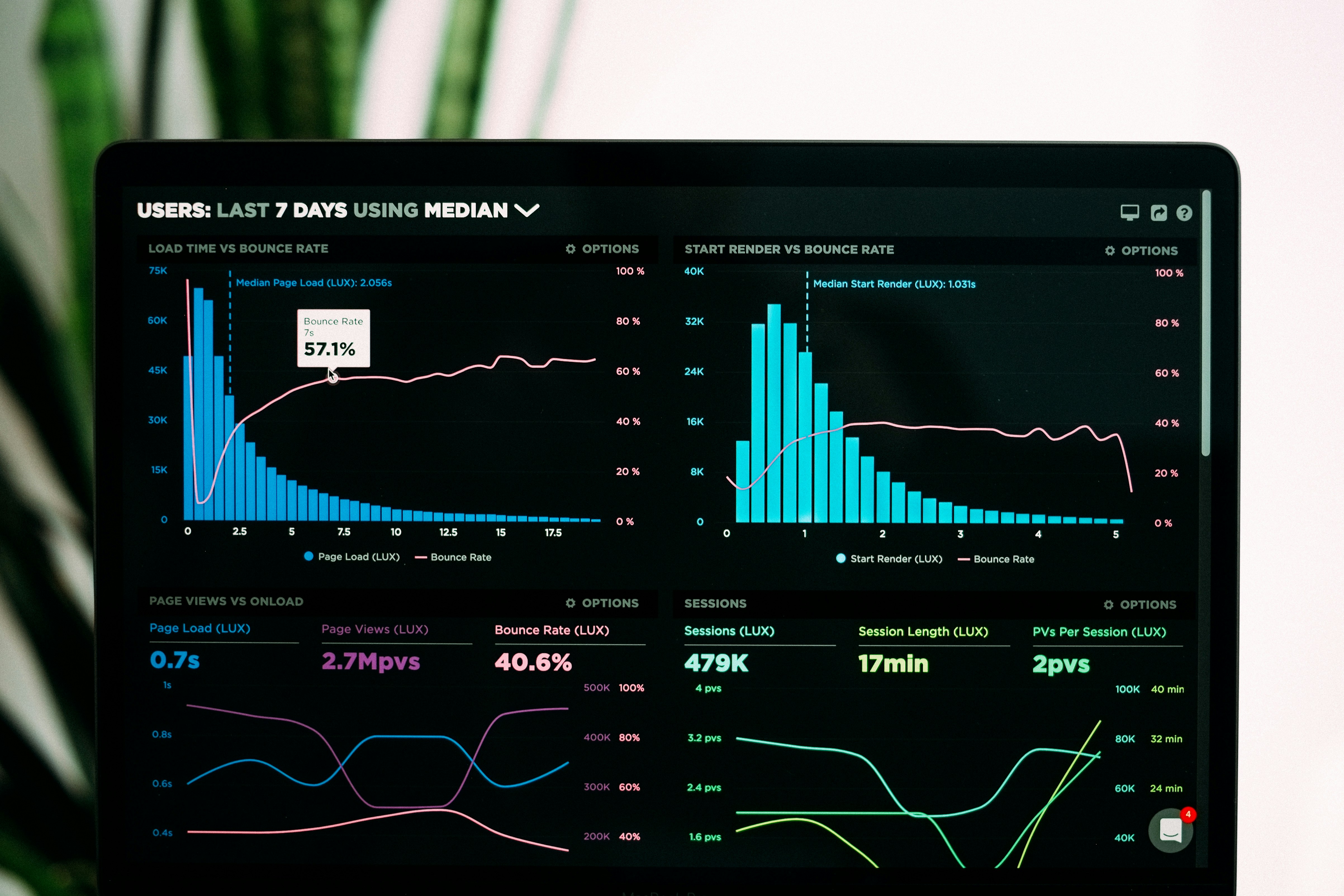
Signs Your Site Was Hit by an Update
- Traffic falls sharply on dates matching a known Google update announcement.
- Multiple pages drop for a wide range of keywords at once (typical of core updates).
- Only spammy-looking competitors disappear (typical of a spam update).
- Pages vanish from the index entirely (likely a technical or indexing issue, not a ranking penalty).
- Rankings stay stable but clicks fall (a feature or interface change, such as AI Overviews).
Before blaming the algorithm, rule out technical causes: a broken robots.txt, a bad redirect, a server outage or a plugin update can all mimic an algorithm hit. Google’s Search Central Help explains how to check indexing status.
What to Do After a Ranking Drop
- Confirm the date. Compare your traffic drop with Google’s update announcements on the Google Search Central Blog.
- Check Search Console. Look at performance, coverage and crawl reports to identify which pages and queries changed.
- Wait one to two weeks. Core update effects often stabilise; rushing to rewrite everything can make things worse.
- Audit the losers. Ask whether the fallen pages are genuinely helpful, original and better than the pages now ranking above them.
- Fix technical issues. Speed, mobile usability, indexing errors and structured data problems are concrete, fixable factors.
- Strengthen local signals. Complete your Google Business Profile, keep name-address-phone consistent, and gather legitimate reviews.
- Measure conversions. Sometimes traffic drops but revenue holds, because the remaining visitors are better matched.
Recovery timelines vary: some sites rebound in days, others take months. Google states that there is no guaranteed fix for core-update drops — improvement comes from making the site genuinely better than competing results.
Common Mistakes to Avoid
- Overreacting: rewriting an entire site during the volatility window can reset your progress.
- Chasing shortcuts: keyword stuffing, purchased links and scraped content are exactly what spam and helpful-content updates punish.
- Ignoring local search: a business that never updates its Google Business Profile leaves its best ranking channel unused.
- Confusing correlation with causation: seasonal dips, ads changes or tracking errors often get blamed on Google.
- Trusting guarantees: no legitimate provider can guarantee a number-one ranking; anyone who promises this is ignoring how Google works.
How to Choose SEO or IT Help
Many small businesses eventually want professional support. Judge providers on substance, not promises.
| Factor | What to Look For | Why It Matters |
|---|---|---|
| Transparency | Clear reporting, access to your own Search Console and analytics | You should always own your data |
| Technical competence | Audits covering indexing, speed, mobile and structured data | Technical faults are the most common hidden cause of drops |
| Realistic promises | No guaranteed rankings; focus on process and improvement | Google itself says rankings cannot be guaranteed |
| Local experience | Understanding of Google Business Profile and local signals | Local intent drives most small-business traffic |
| Communication | Plain-language explanations, reasonable response times | You need to understand decisions affecting your revenue |
For the technical side — crawl issues, site speed, hosting, security and Search Console setup — NG Network IT supports small businesses through its website, ngnetworksit.com.

Practical Checklist
- Google Search Console installed and checked monthly
- Traffic data compared against official update announcement dates
- Google Business Profile complete with current hours, services and reviews
- Site loads quickly and works well on mobile
- Each important page clearly answers a real customer question
- No thin, duplicated or auto-generated pages
- Backlink profile reviewed for spammy links
- Conversions (calls, bookings, sales) tracked, not just pageviews
- Technical issues (redirects, crawl errors, sitemap) audited regularly
- No reliance on a single traffic source — email, local partnerships and repeat customers reduce risk
Real-World Example
Example: A hypothetical family-run bakery in a mid-sized town relied on “birthday cake delivery [city]” keywords. After a core update, its traffic fell 40% over ten days. The owner checked Search Console and found the drop started on the update’s rollout date, affecting recipe and “about” pages. Rather than rebuilding the site, they added original content — real photos, ingredient sourcing details and customer stories — fixed slow mobile loading, and refreshed their Google Business Profile. Rankings stabilised within three weeks and recovered past previous levels within two months. The point: the update rewarded specific, trustworthy local content and penalised generic pages — a pattern consistent with Google’s stated quality goals. (This is an illustrative hypothetical, not a verified client case.)
Important Facts to Know
- Fact: Google deploys thousands of changes per year; only a small number cause noticeable volatility.
- Fact: Core update effects typically settle within one to three weeks, but recovery is not guaranteed.
- Fact: Not all traffic drops are algorithmic — technical faults, seasonality and feature changes are common causes.
- Fact: AI Overviews and other features can reduce clicks even when rankings are unchanged.
- Fact: Local businesses depend heavily on proximity, relevance and review signals, which are updated separately from general rankings.
- Fact: Google’s official position is that the reliable long-term strategy is creating genuinely helpful content and a healthy, fast, mobile-friendly site.
Frequently Asked Questions
How often does Google change its algorithm?
Constantly — Google has said it makes thousands of changes annually. Most are invisible. Broad core updates, which cause the volatility small businesses notice, now arrive more frequently in smaller batches than in the past.
How long does recovery from an update take?
There is no fixed timeline. Some pages recover within days as the update fully rolls out; others take months if the underlying quality gap versus competitors is large. Google advises focusing on improving the site rather than seeking a quick fix.
How do I know if my drop was caused by an algorithm update?
Compare your traffic decline dates with Google’s official update announcements and check Search Console. A drop that matches an announcement, affects many pages and has no technical cause is likely algorithmic. Sudden index loss usually signals a technical problem instead.
What is E-E-A-T and why does it matter?
E-E-A-T stands for experience, expertise, authoritativeness and trustworthiness. It is not a single score but a set of quality signals Google uses — especially for topics that affect health, finances or safety. Showing real credentials, author bios, customer reviews and accurate sourcing helps.
Do AI Overviews reduce organic traffic?
They can, because answers appear directly on the results page and some users no longer click through. However, they also appear on billions of queries and can still send clicks for deeper research. Optimising for direct, well-structured answers and strong local intent helps businesses adapt.
Should I change my website immediately after an update?
Usually no. Allow one to two weeks for volatility to settle, diagnose first, and only fix confirmed issues — technical faults, thin content or weak local signals. Rapid, sweeping rewrites during the fluctuation window often do more harm than good.
Are paid ads affected by organic algorithm updates?
No. Google Ads auctions run separately from organic ranking systems. Some businesses use ads as a stabilising layer while organic rankings recover, though costs should be monitored carefully.
Can a small business keep up without a marketing team?
Yes — with discipline. Monthly Search Console checks, a complete Google Business Profile, fast mobile-friendly pages and genuinely useful content cover most of what matters. For technical audits and setup, specialists can handle the complex parts once.
Sources and Further Reading
- Wikipedia — Google Search
- Google Search Essentials (official guidelines)
- Google Search Central documentation
- Google Search Central Blog (official update announcements)
- How Google Search works
- Google Search Quality Evaluator Guidelines (PDF)
- Moz — Google algorithm change history
- Google Search Central Help
Note: search rankings depend on many factors and no outcome is guaranteed. Always verify current guidance directly with Google’s official channels.
Need Professional Help?
If you need help auditing your website, fixing technical SEO issues or setting up Search Console, NG Network IT provides IT and web services for small businesses.
[How Google Search Changes Affect Small Businesses]